Guide to The Bayeux Tapestry
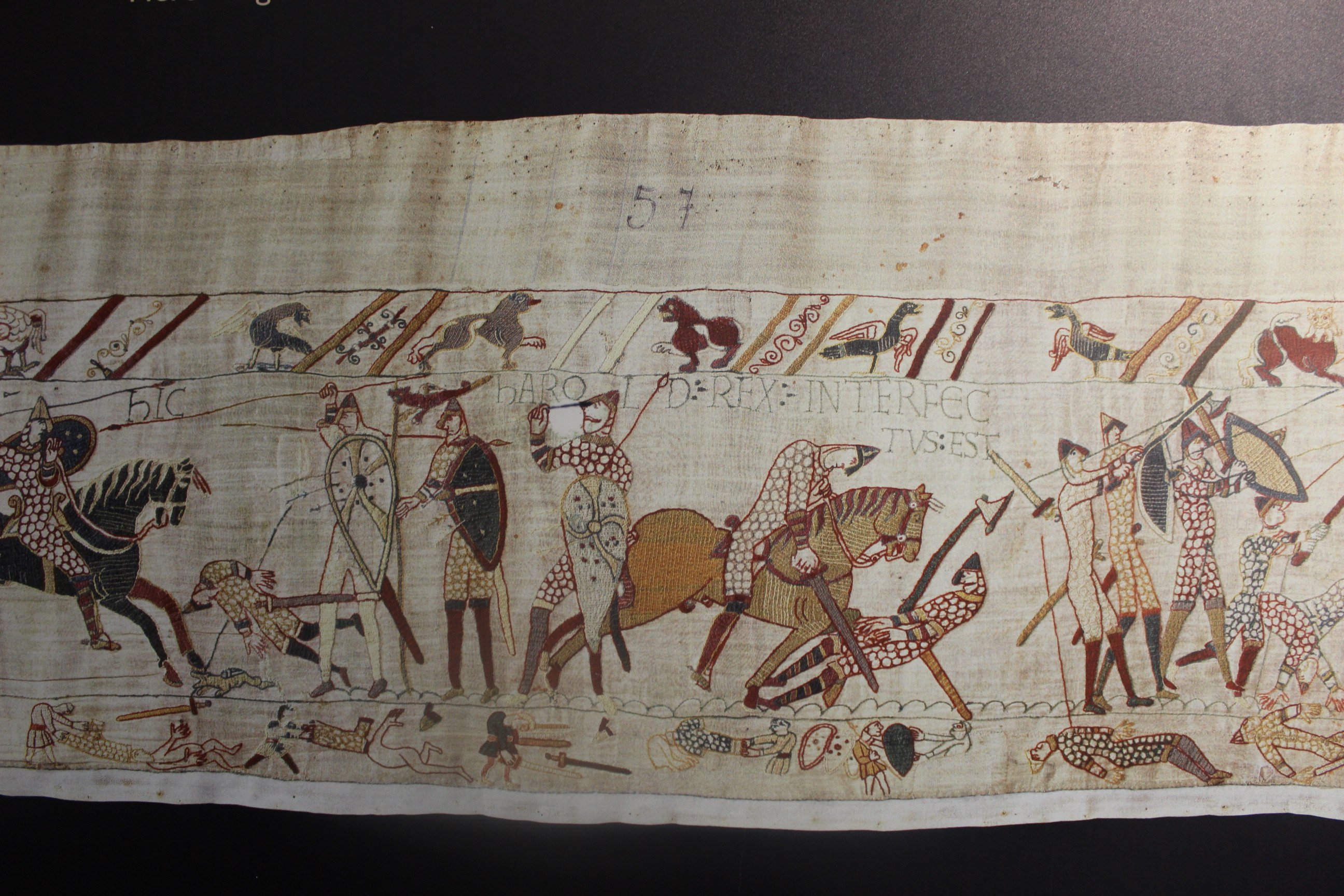
The Bayeux Tapestry is an embroidered cloth measuring nearly 70 metres long and 50 cm high. It depicts the events leading up to the Norman conquest of England. Characters include William, Duke of Normandy as well as Harold, Earl of Wessex. The conquest culminated in the Battle of Hastings in 1066
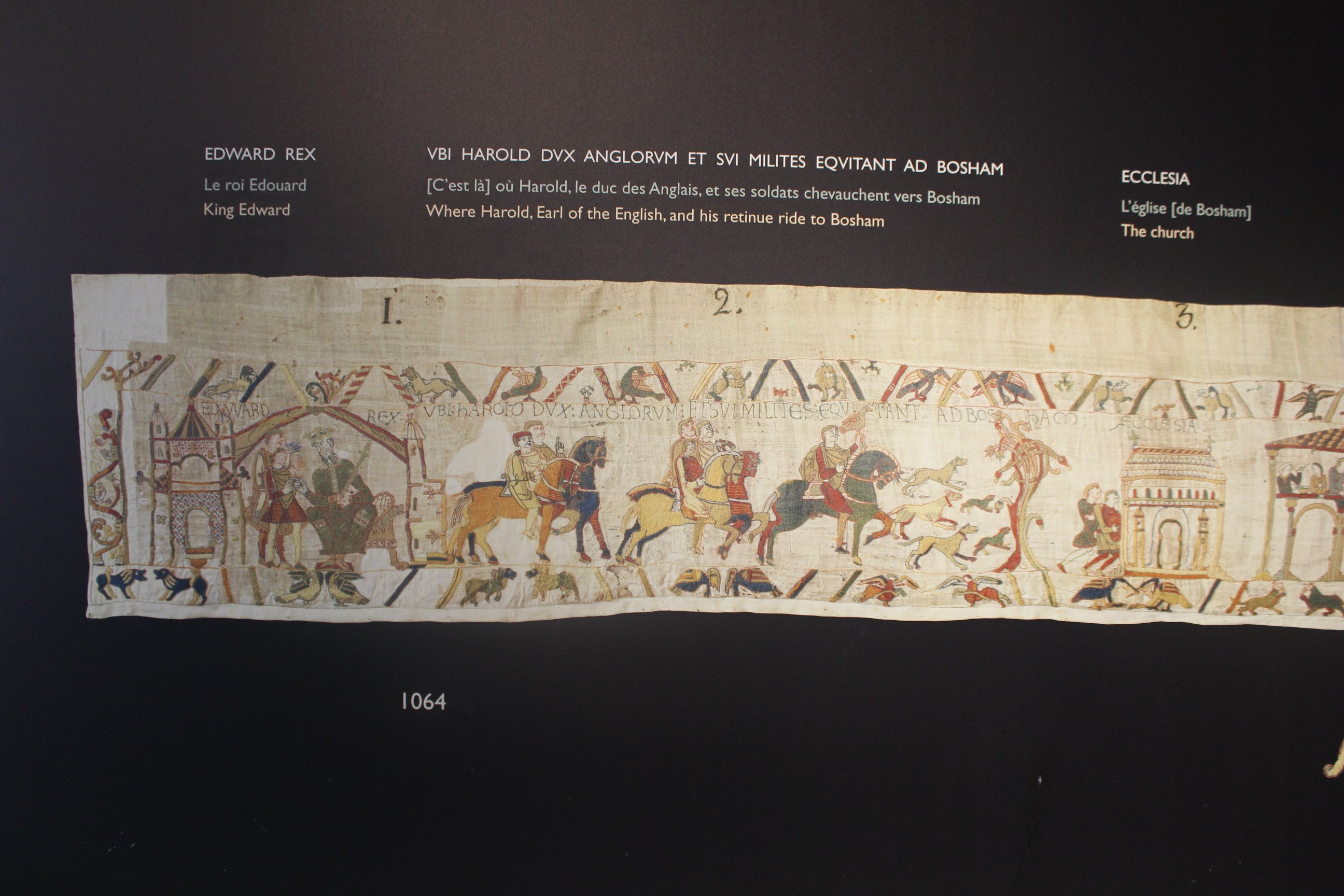
The tapestry is thought to date from the 11th century. It was originally hung in Bayeux Cathedral but moved to the Musée de la Tapisserie de Bayeux in 1983.
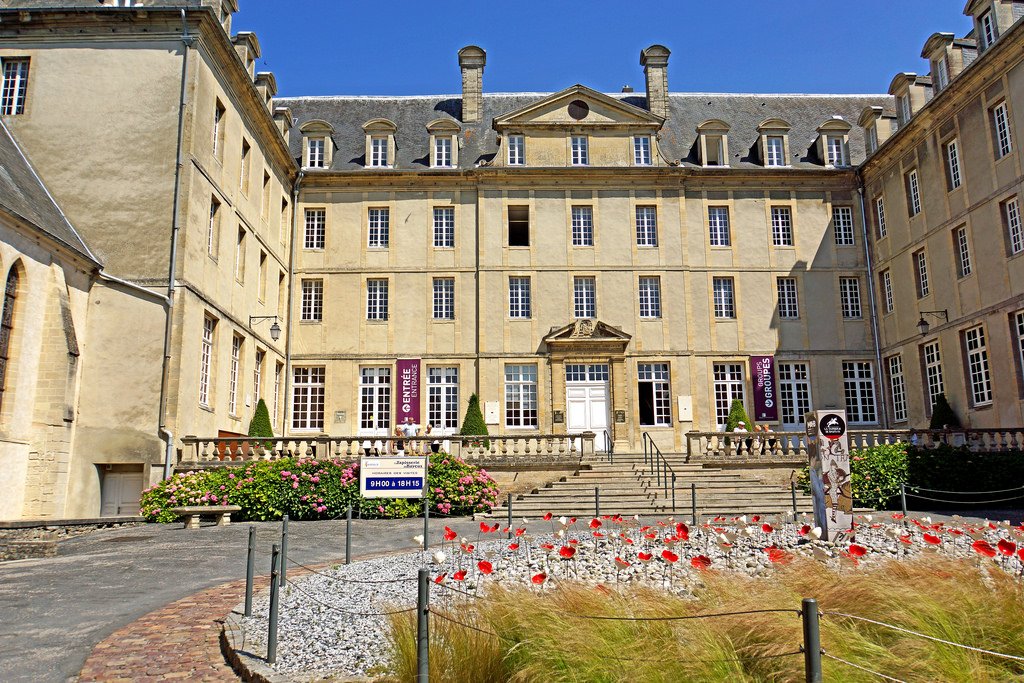
The Bayeux Tapestry Museum used to be the former Grand Seminary where students were taught scripture, theology, and religious practice. The first stone for the building was placed in 1693. The date appears above one of the building's doorways and can be seen in the photo below. The museum closed in September 2025 for a major renovation project. Plans for the renovation which include adding an extension onto the side of the building were displayed in the chapel in the months before the closure.


The tapestry is being displayed in London during 2026 and 2027. It is due to return to Bayeux in Autumn 2027. The museum website will continue to share updates about the new space and you can also look at the tapestry scene by scene and see a video of it being removed on the Bayeux Tapestry Museum website. https://www.bayeuxmuseum.com/en/the-bayeux-tapestry/
The Design
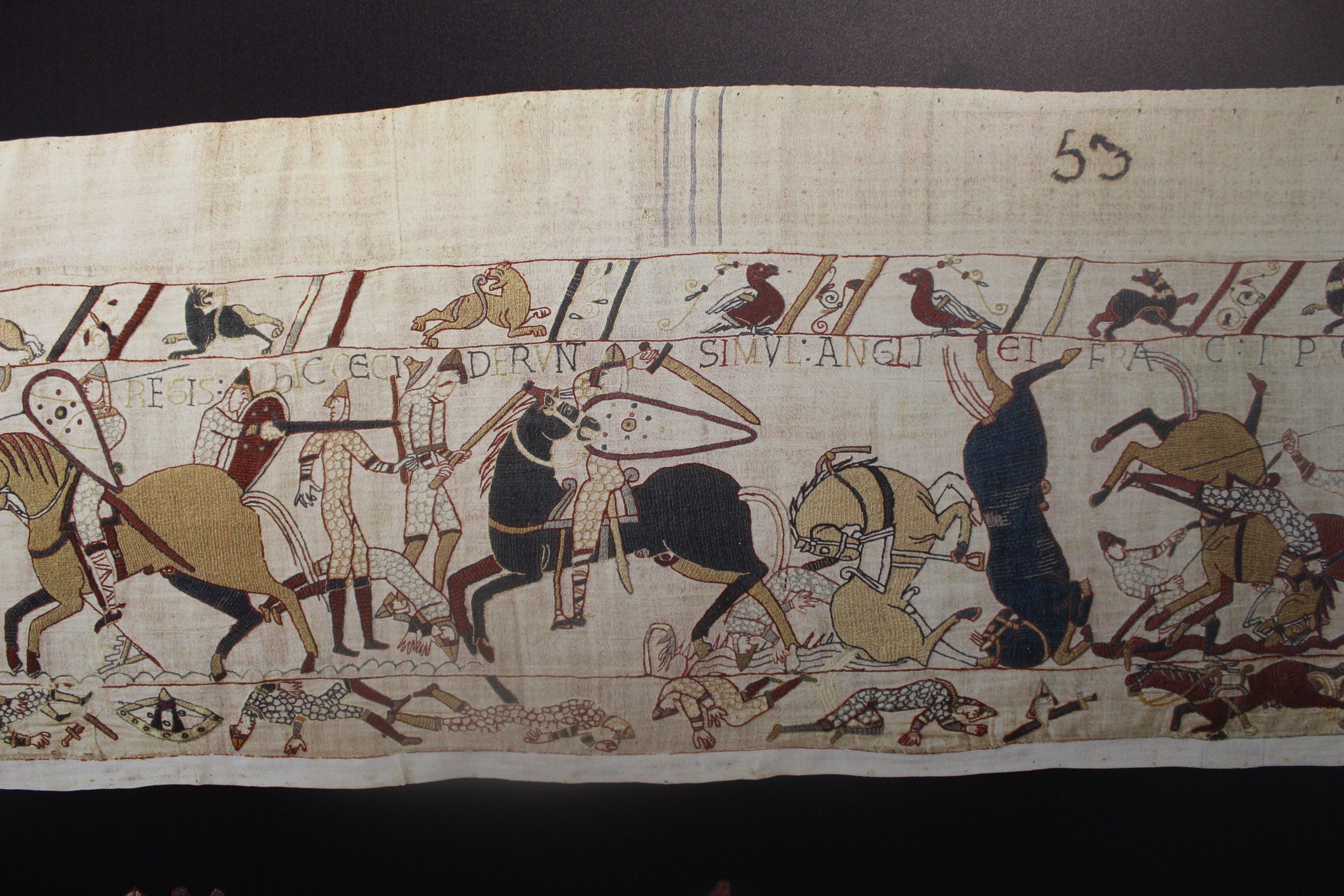
The 58 scenes are embroidered on linen with coloured woollen yarns and Latin descriptions. It's not technically a tapestry as it is not woven. However, it has predominantly been known as such. Two methods of stitching are used. Outline or stem stitch was used for lettering and the outlines of figures. Couching or laid work was used for filling in figures. Each scene is made up of nine linen panels. The nine panels were sewn together after each was embroidered and the joins were disguised with subsequent embroidery.
The main yarn colours are terracotta or russet, blue-green, dull gold, olive green, and blue, with small amounts of dark blue or black and sage green. Later repairs are made in light yellow, orange, and light greens. Laid yarns are couched in place with yarn of the same or contrasting colour.
The History
The earliest known written reference to the tapestry is a 1476 inventory of Bayeux Cathedral. There are two schools of thought about its origins. One is that it was commissioned by Bishop Odo, William's half-brother, and made in England in the 1070s. However, French legend maintains the tapestry was commissioned and created by Queen Matilda, William the Conqueror's wife, and her ladies-in-waiting.
Subsequent analysis in the 20th century concluded it was probably commissioned by Bishop Odo who became Earl of Kent after the Conquest. There were three reasons for this conculsion. The first was that three of the bishop's followers mentioned in the Domesday Book appear on the tapestry. Secondly, the tapestry was found in Bayeux Cathedral which was built by Odo. Finally, it may have been commissioned at the same time as the cathedral's construction in the 1070s, possibly completed by 1077 when the cathedral was dedicated.
The end of the tapestry is missing. The final scene (number 58) is headed Et fuga verterunt Angli. This translates as 'and the English left fleeing' and was added shortly before 1814 at a time of anti-English sentiment.

The Visit
It remains to be seen exactly what the format of the visit will take. Previously you got an audio guide in your chosen language and entered the room the tapestry room. It was fairly dark in the room and the audio guide started playing automatically. Each scene was numbered and the commentary referenced this as the events leading up to the Battle of Hastings was told. You couldn't pause the audio guide so just kept moving in front of the large glass case where the tapestry was displayed upright.
Additional Exhibitions
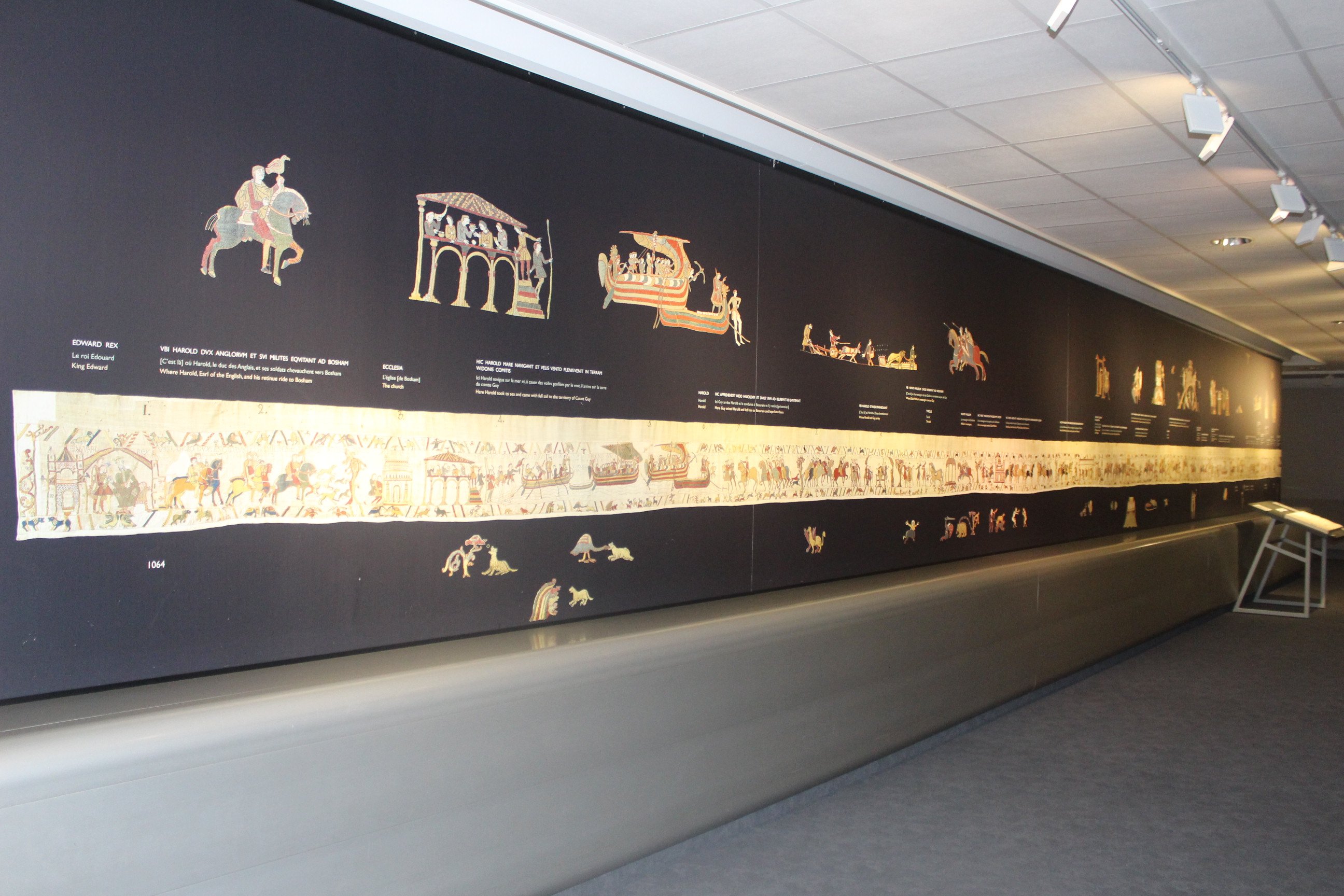
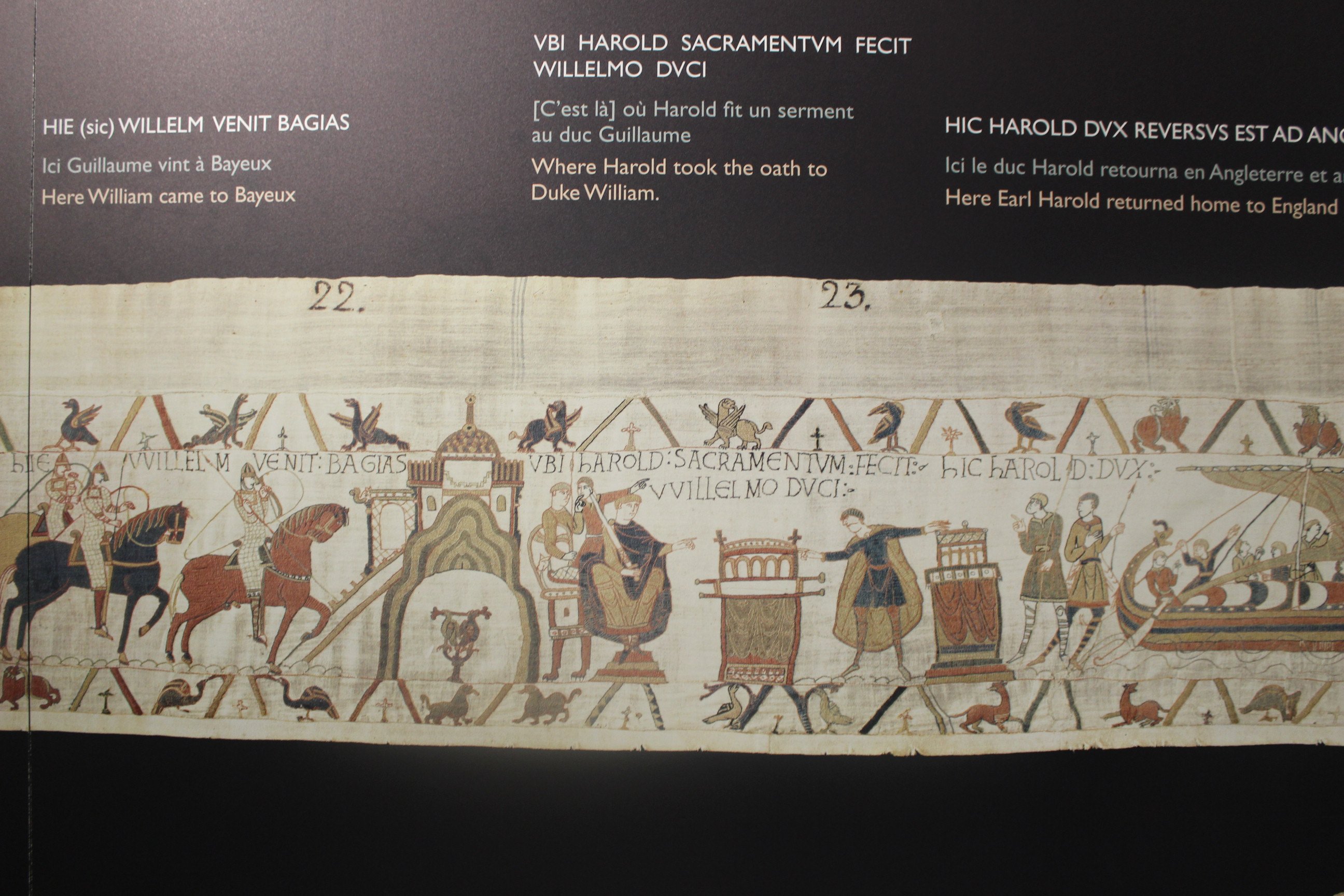
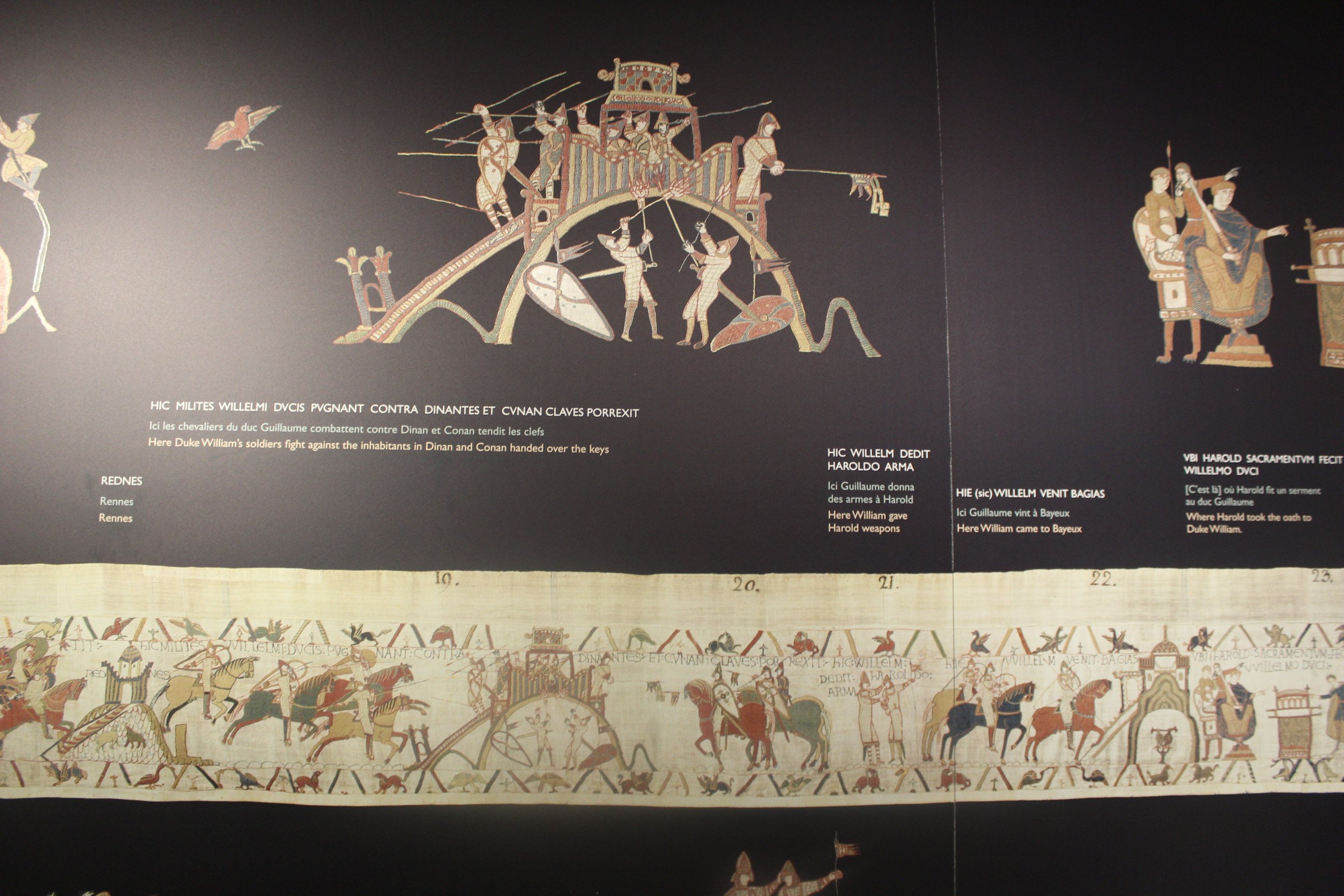
The main exhibition hall allowed you to wander round at your leisure learning about the tapestry and the story it depicts. A 2D facsmilie of the entire tapestry was displayed on another floor. There was also a cinema with French and English film versions of the tapestry history.


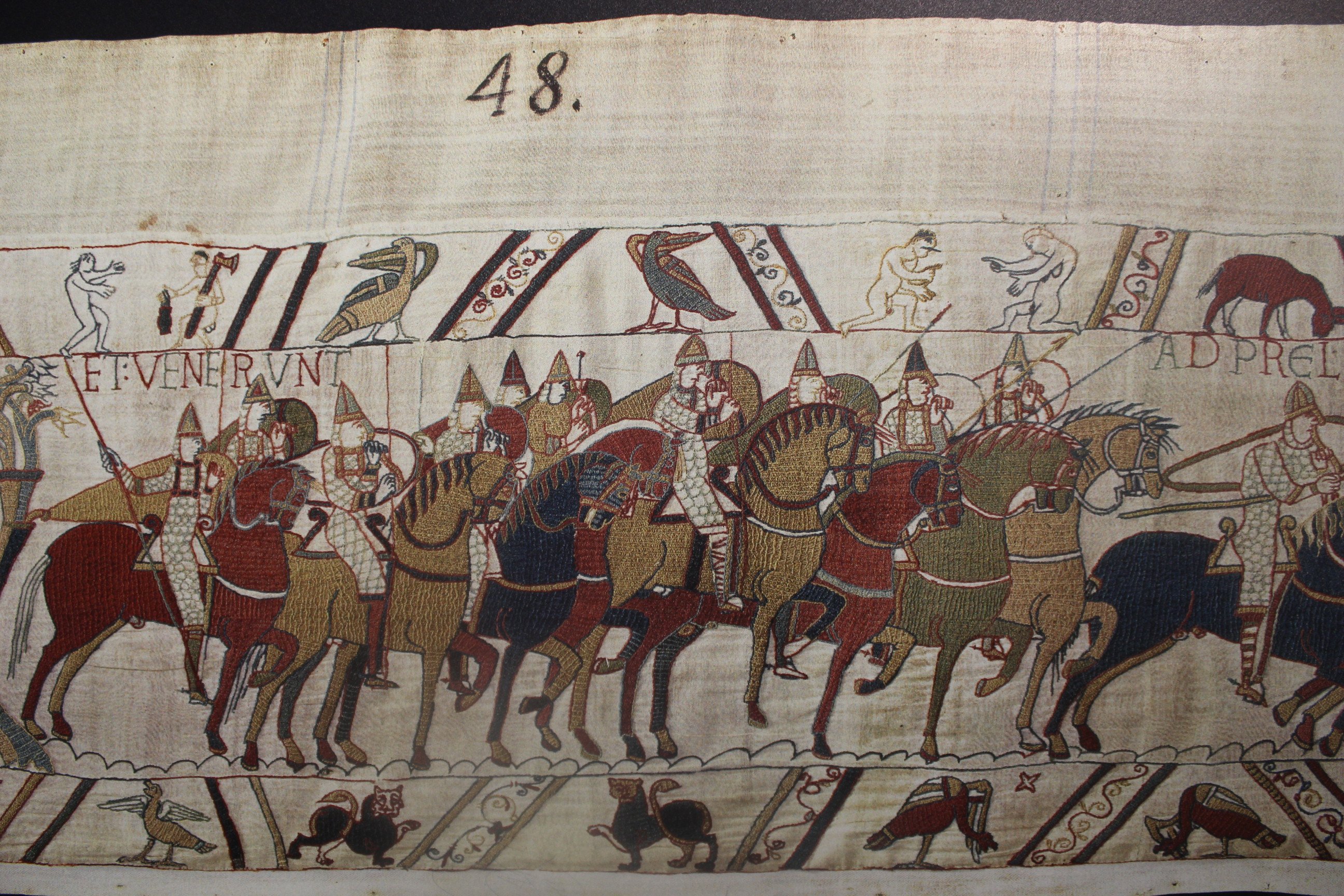

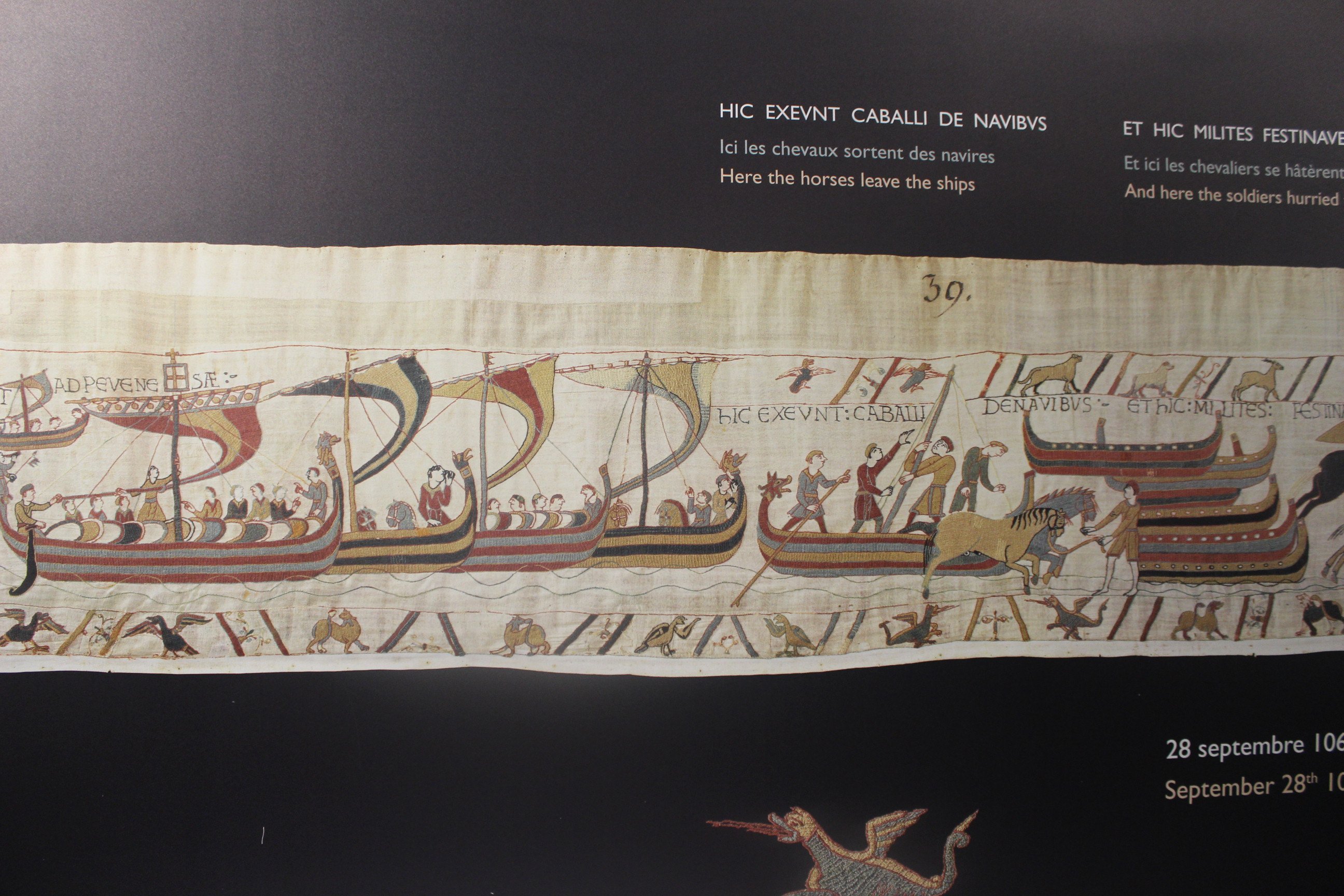
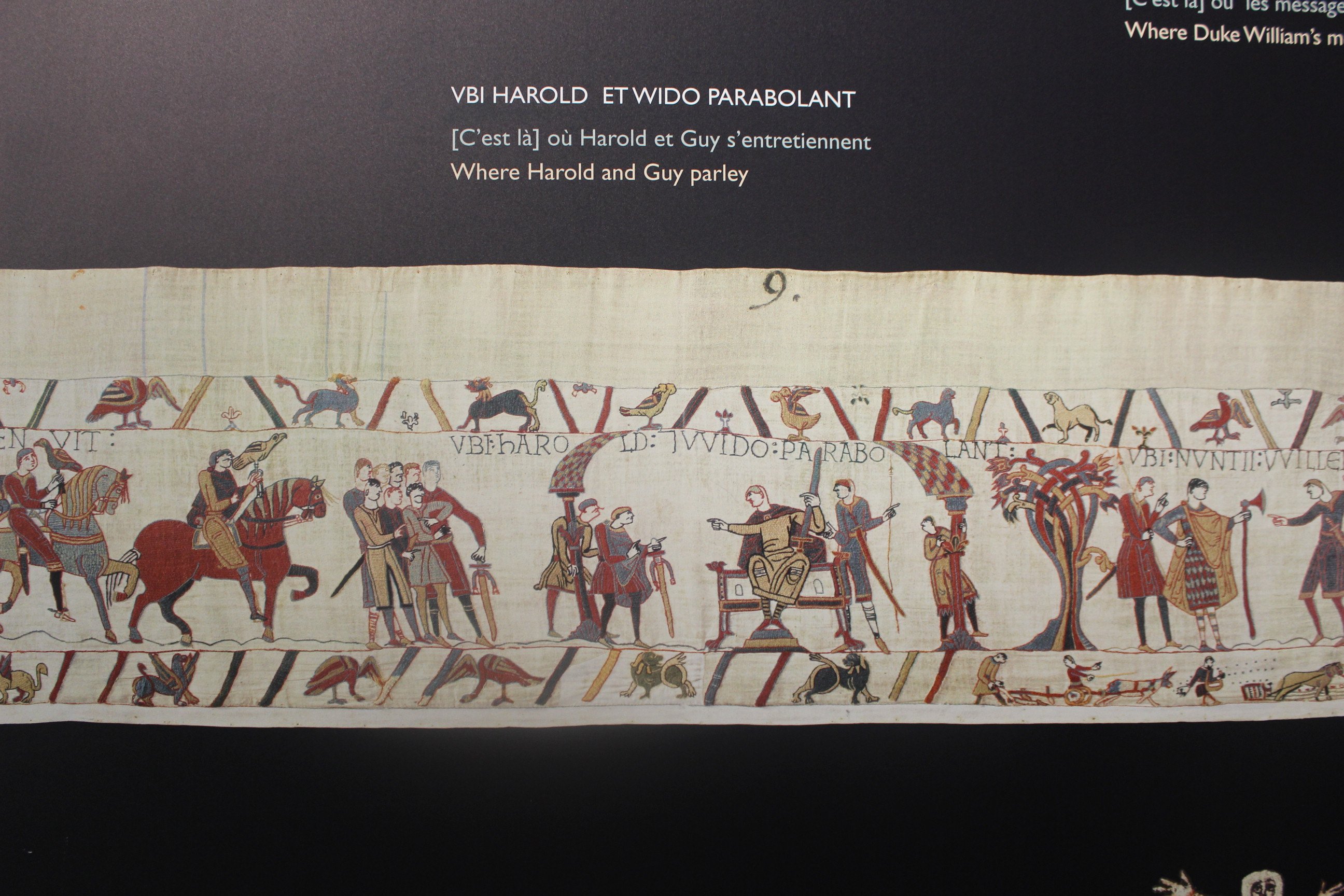
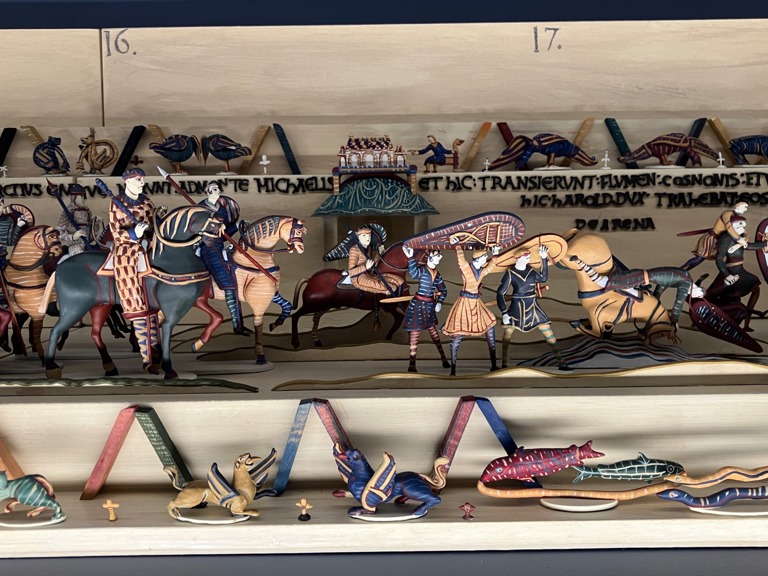
In 2024 an additional exhibition was added which depicted half of the tapestry in 3D figurine form. It is hoped that it will be completed for when the new museum opens in 2027.


More Information
For a more detailed look at the tapestry this video gives a good overview. It was filmed in the room where the tapestry is displayed. David Dimbleby describes the historical significance of the Bayeux Tapestry for his 2009 BBC One Series, Seven Ages of Britain.